Your basket is currently empty!

Bettin L., et al. (2026). “A novel CD69 binding ankyrin repeat protein (Ankyron®) enables detection of early activated and antigen-specific T cells in pigs.” 01 June 2026, PREPRINT (Version 1) available at Research Square. https://doi.org/10.21203/rs.3.rs-9722577/v1
Hollinghurst P., et al. (2025). “Mosquito NF-κB-mediated innate immunity exerts arbovirus-specific antiviral effects at multiple stages of the viral life cycle.” bioRxiv 2025.11.06.687020. https://doi.org/10.1101/2025.11.06.687020
Hyslop S, et al. (2025). “CD7 regulates the persistence of terminally exhausted CD8+ T cells during chronic infection.” Cell Reports, 2025; 44. https://doi.org/10.1016/j.celrep.2025.116316
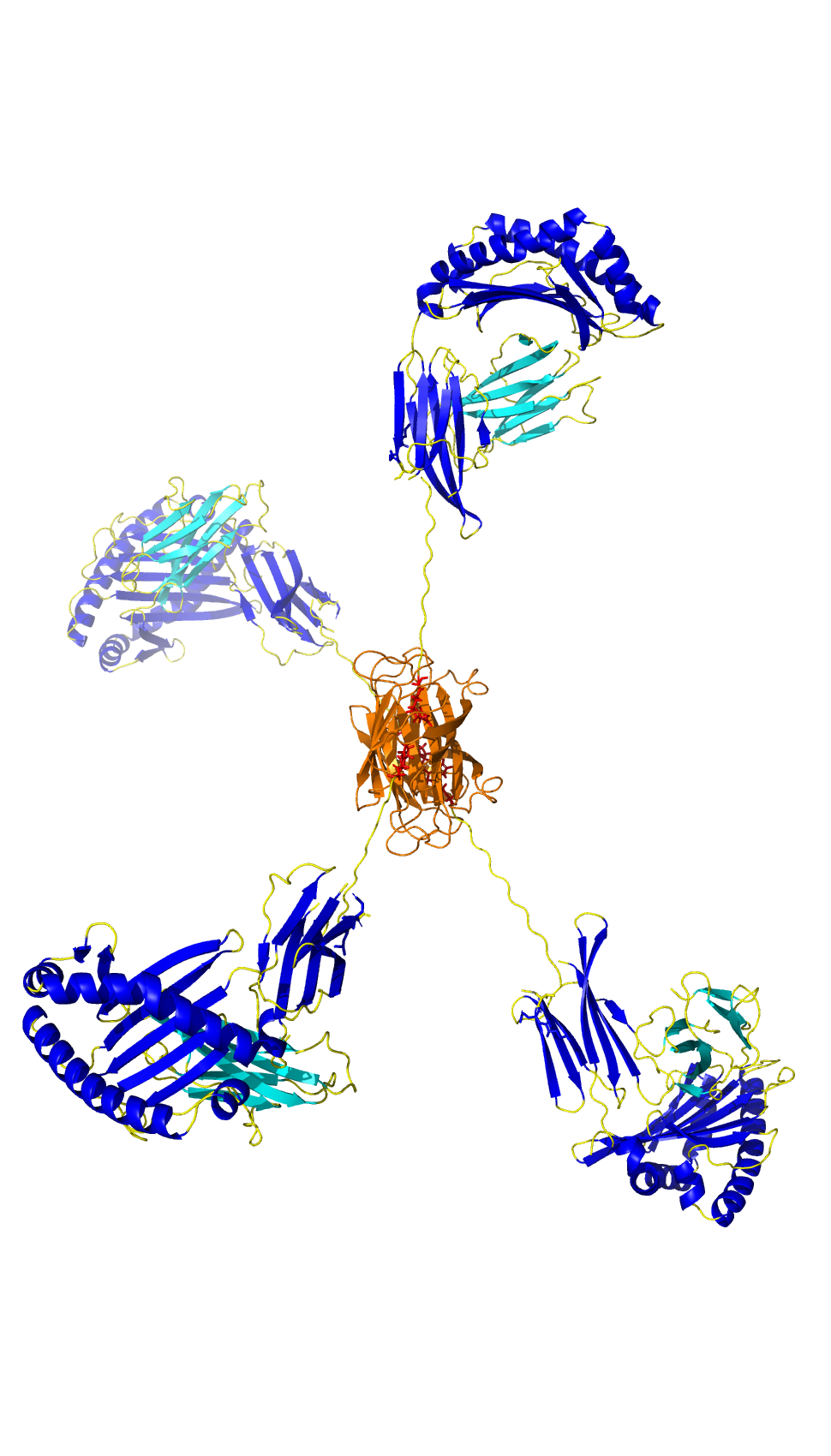
Park, YJ., et al. (2024). “Functional Activity and Binding Specificity of Small Ankyrin Repeat Proteins Called Ankyrons Against SARS-CoV-2 Variants.” AAPS J 27, 58 (2025). https://doi.org/10.1208/s12248-025-01043-8
Noble A., et al. (2024). “Development of bovine IgG3-specific assays using a novel recombinant single-domain binding
reagent.” Veterinary Immunology and Immunopathology. https://doi.org/10.1016/j.vetimm.2024.110852
Schmuckli-Maurer, J., et al. (2024) “Plasmodium berghei liver stage parasites exploit host GABARAP proteins for TFEB activation.” Commun Biol 7, 1554 (2024). https://doi.org/10.1038/s42003-024-07242-x

Zheng M, et al. (2026). “Immunodominance is a poor predictor of vaccine-induced T follicular helper cell quality.“eBioMedicine, 2026; 125. https://doi.org/10.1016/j.ebiom.2026.106185
Yue S, et al. (2026). “Oncolytic virotherapy mobilizes tumor-resident, granzyme B-producing bystander CD4+ T cells to inhibit systemic microbial infection.” Molecular Therapy Oncology, 2026; 34. https://doi.org/10.1016/j.omton.2026.201187
McGee K, et al. (2025). “Valaciclovir therapy for secondary suppression of immune response to herpesviruses: An exploratory study.” PLOS Pathogens 21(12): e1013803. https://doi.org/10.1371/journal.ppat.1013803
Liu, G., et al. (2025). “Long-persisting SARS-CoV-2 spike-specific CD4+ T cells associated with mild disease and increased cytotoxicity post COVID-19.” Nat Commun 16, 8743 (2025). https://doi.org/10.1038/s41467-025-63711-9
Ming Z. et al. (2025). “Deconvoluting TCR-dependent and -independent activation is vital for reliable Ag-specific CD4+ T cell characterization by AIM assay.” Sci. Adv.11,eadv3491(2025). https://doi.org/10.1126/sciadv.adv3491
Dalit, L., et al. (2025). “Divergent cytokine and transcriptional signatures control functional T follicular helper cell heterogeneity.” Nat Immunol 26, 1821–1835 (2025). https://doi.org/10.1038/s41590-025-02258-9
Ammon, T., et al. (2025). “Citrullinated Autoantigen–Specific T and B Lymphocytes in Rheumatoid Arthritis: Focus on Follicular T Helper Cells and Expansion by Coculture.” ACR Open Rheumatology, 7: e11785. https://doi.org/10.1002/acr2.11785
Zhang, W., et al. (2024). “NitraTh epitope-based neoantigen vaccines for effective tumor immunotherapy.” Cancer Immunol Immunother 73, 245 (2024). https://doi.org/10.1007/s00262-024-03830-2
Esparcia-Pinedo L. et al. (2023). “T regulatory lymphocytes specific for SARS-CoV-2 display increased functional plasticity.” 10.1016/j.clim.2023.109806. https://doi.org/10.1016/j.clim.2023.109806
Naigeon M, et al. (2023). “Human virome profiling identified CMV as the major viral driver of a high accumulation of senescent CD8+ T cells in patients with advanced NSCLC.” Sci Adv. 2023 Nov 10;9(45):eadh0708. https://doi.org/10.1126/sciadv.adh0708
Esparcia-Pinedo L. et al. (2023). “T regulatory lymphocytes specific for SARS-CoV-2 display increased functional plasticity.” 10.1016/j.clim.2023.109806. https://doi.org/10.1016/j.clim.2023.109806
Wragg, K.M., et al. (2022). “Establishment and recall of SARS-CoV-2 spike epitope-specific CD4+ T cell memory.” Nat Immunol 23, 768–780 (2022). https://doi.org/10.1038/s41590-022-01175-5
Becker-Gotot J, et al. (2022). “Immune tolerance against infused FVIII in hemophilia A is mediated by PD-L1+ Tregs.” 10.1172/JCI159925. https://doi.org/10.1172/JCI159925
Gliwiński M, et al. (2020). “Proinsulin-specific T regulatory cells may control immune responses in type 1 diabetes: implications for adoptive therapy.” BMJ Open Diabetes Res Care. 2020 Feb;8(1):e000873. https://doi.org/10.1136/bmjdrc-2019-000873
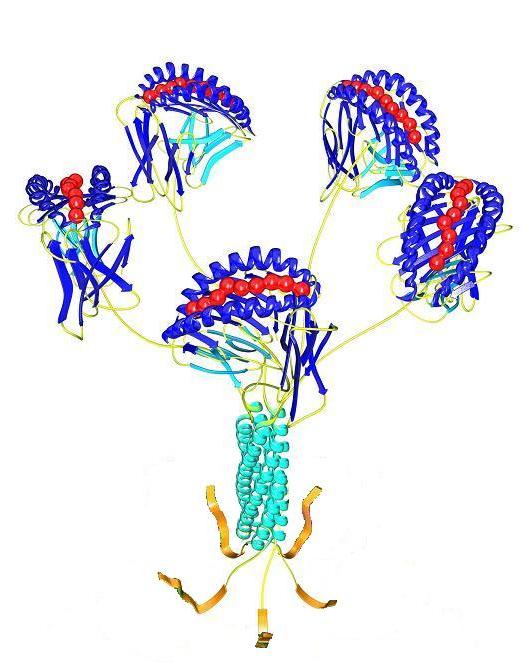
Lin Y, et al. (2026). “Regulatory T cell-derived TGF-β signaling governs the differentiation and maintenance of tumor-infiltrating bystander CD8+ T cells.“Cell Reports, 2026; 45. https://doi.org/10.1016/j.celrep.2026.117189
A. Varin, et al. (2026). “A Subset of Pro-inflammatory CXCL10+ LILRB2+ Macrophages Derives From Recipient Monocytes and Drives Renal Allograft Rejection.” Advanced Science13, no. 10 (2026): e21294.
https://doi.org/10.1002/advs.202521294
Lim, K.H.J., et al. (2026) “Cross-presentation of dead cell-associated antigens shapes the neoantigenic landscape of tumor immunity.” Nat Immunol 27, 72–81 (2026). https://doi.org/10.1038/s41590-025-02354-w
Jones TA, et al. (2026) “Targeting the novel immune checkpoint KLRG1 is markedly therapeutic
against cancer through multiple lymphocyte subsets.” Journal for ImmunoTherapy of Cancer 2026;14:e013869. https://doi.org/10.1136/jitc-2025-013869
Zhu, A., et al. (2025) “Robust mucosal SARS-CoV-2-specific T cells effectively combat COVID-19 and establish polyfunctional resident memory in patient lungs.” Nat Immunol 26, 459–472 (2025). https://doi.org/10.1038/s41590-024-02072-9
Anne R. Diers, et al. (2025). “Dynamic tracking of tumor microenvironment modulation using Kaede photoconvertible transgenic mice unveils new biological properties of viral immunotherapy.” Cancer Research Communications 2025. https://doi.org/10.1158/2767-9764.CRC-24-0434
Li S, et al. (2025). “Tumor Cell–Intrinsic Decr2 Regulates Ferroptosis and Immunotherapy Efficacy.” Cancer Immunol Res 1 August 2025; 13 (8): 1284–1302. https://doi.org/10.1158/2326-6066.CIR-24-0519
Sanlorenzo, M., et al. (2025) “Systemic IFN-I combined with topical TLR7/8 agonists promotes distant tumor suppression by c-Jun-dependent IL-12 expression in dendritic cells.” Nat Cancer 6, 175–193 (2025). https://doi.org/10.1038/s43018-024-00889-9
Nguema L, et al. (2024). “Subunit protein CD40.SARS.CoV2 vaccine induces SARS-CoV-2-specific stem cell-like memory CD8+ T cells.” eBioMedicine, 2024; 111. https://doi.org/10.1016/j.ebiom.2024.105479
Vieira Antão A, et al. (2024) “Filling two needs with one deed: a combinatory mucosal vaccine
against influenza A virus and respiratory syncytial virus.” Front. Immunol. 15:1376395. https://doi.org/10.1038/s41541-024-00912-1
Wang Z, et al. (2024). “IL-1α is required for T cell-driven weight loss after respiratory viral infection.”
Mucosal Immunology, 2024; 17, 272-287. https://doi.org/10.1016/j.mucimm.2024.02.005
van Zyl DG, et al. (2024) “Poly(2-methyl-2-oxazoline) as a polyethylene glycol alternative for lipid nanoparticle formulation. “Front. Drug Deliv. 4:1383038. https://doi.org/10.3389/fddev.2024.1383038
Delacher M., et al. (2024). “The effector program of human CD8 T cells supports tissue remodeling.” J Exp Med. 2024 Feb 5;221(2):e20230488. doi: 10.1084/jem.20230488. Epub 2024 Jan 16. https://doi.org/10.1084/jem.20230488
Tanaka, M., et al. (2024). “HLA-A*24 Increases the Risk of HTLV-1-Associated Myelopathy despite Reducing HTLV-1 Proviral Load.” Int. J. Mol. Sci. 2024, 25, 6858. https://doi.org/10.3390/ijms25136858
Peña-Asensio J., et al. (2024) “HBsAg level defines different clinical phenotypes of HBeAg(−) chronic HBV infection related to HBV polymerase-specific CD8+ cell response quality.” Front. Immunol. 15:1352929. https://doi.org/10.3389/fimmu.2024.1352929
Serafini B. (2024). “EBV infected cells in the multiple sclerosis brain express PD-L1: How the virus and its niche may escape immune surveillance.” 10.1016/j.jneuroim.2024.578314. https://doi.org/10.1016/j.jneuroim.2024.578314
Fan J., et al. (2024). “IL-15-induced CD38+HLA-DR+CD8+ T cells correlate with liver injury via NKG2D in chronic hepatitis B cirrhosis.” Clin Transl Immunology. 13(10):e70007. doi: 10.1002/cti2.70007. https://doi.org/10.1002/cti2.70007
Jung S, et al. (2022) “The generation of stem cell-like memory cells early after BNT162b2 vaccination is associated with durability of memory CD8+ T cell responses” Cell Reports, 2022; 40. https://doi.org/10.1016/j.celrep.2022.111138
Jung, J.H., et al. (2021). “SARS-CoV-2-specific T cell memory is sustained in COVID-19 convalescent patients for 10 months with successful development of stem cell-like memory T cells.” Nat Commun 12, 4043 (2021). https://doi.org/10.1038/s41467-021-24377-1
Rha M, et al. (2020) “PD-1-Expressing SARS-CoV-2-Specific CD8+ T Cells Are Not Exhausted, but Functional in Patients with COVID-19.” Immunity, 2020; 54, 44-52.e3. https://doi.org/10.1016/j.immuni.2020.12.002
Peng, Y., et al. (2020). “Broad and strong memory CD4+ and CD8+ T cells induced by SARS-CoV-2 in UK convalescent individuals following COVID-19.” Nat Immunol 21, 1336–1345 (2020). https://doi.org/10.1038/s41590-020-0782-6


Mande P., et al. (2025). “Discovery and characterization of a novel engineered Fc-fused IgE cleaving enzyme for treatment of IgE mediated diseases.” Journal of Allergy and Clinical Immunology, 155AB172. https://doi.org/10.1016/j.jaci.2024.12.544
Trimpont MV., et al. (2025). “A human-like glutaminase-free asparaginase is highly efficacious in ASNSlow leukemia and solid cancer mouse xenograft models.” Cancer Letters, Volume 611, 2025, 217404, ISSN 0304-3835. https://doi.org/10.1016/j.canlet.2024.217404.
Wilkinson I, et al. (2021). “Fc-engineered antibodies with immune effector functions completely abolished.” PLOS ONE 16(12): e0260954. https://doi.org/10.1371/journal.pone.0260954
Grant E. Blouse., et al. (2019). “Title of Poster: A Comprehensive In Silico And In Vitro Immunogenicity Risk Assessment of Dalcinonacog Alfa Shows No Increased Risk Compared With Wild-type FIX.“.
Lyn M. O’Brien, et al. (2012). “A humanised murine monoclonal antibody protects mice from Venezuelan equine encephalitis virus, Everglades virus and Mucambo virus when administered up to 48h after airborne challenge.”
Virology, Volume 426, Issue 2, 2012, Pages 100-105, ISSN 0042-6822. https://doi.org/10.1016/j.virol.2012.01.038.
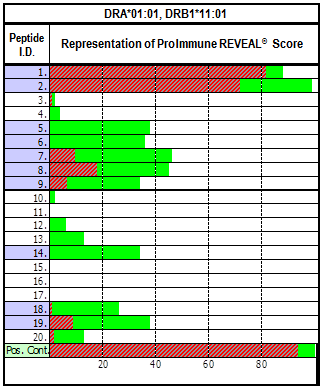
Huang, Y., et al. (2026). “Preclinical Assessment of HLA-A*02:01-Restricted PSMA and STEAP1 Epitopes for Peptide-Based Immunotherapy in Prostate Cancer.” Drug Design, Development and Therapy, 20. https://doi.org/10.2147/DDDT.S576346
Balogh, G.M., et al. (2025). ” C > U mutations generate immunogenic peptides in SARS-CoV-2.” Nat Commun 16, 10156 (2025). https://doi.org/10.1038/s41467-025-65251-8
Niizuma K, (2025). “Development of iPSC-derived T cells targeting EGFR neoantigens in non-small cell lung cancer.” Molecular Therapy Methods & Clinical Development, 2025; 33. https://doi.org/10.1016/j.omtm.2025.101517
Eggenhuizen, P.J., et al. (2024). “Smith-specific regulatory T cells halt the progression of lupus nephritis.” Nat Commun 15, 899 (2024). https://doi.org/10.1038/s41467-024-45056-x
Voskamp AL, et al. (2024). “Phase 1 trial supports safety and mechanism of action of peptide immunotherapy for peanut allergy. Allergy.” 2024;79:485-498. https://doi.org/10.1111/all.15966
Curran, A.M., et al. (2023). “Citrullination modulates antigen processing and presentation by revealing cryptic epitopes in rheumatoid arthritis.” Nat Commun 14, 1061 (2023). https://doi.org/10.1038/s41467-023-36620-y
Inaba H, et al. (2023). “Amino acid polymorphisms in human histocompatibility leukocyte antigen class II and proinsulin epitope have impacts on type 1 diabetes mellitus induced by immune-checkpoint inhibitors.” Front. Immunol. 14:1165004. https://doi.org/10.3389/fimmu.2023.1165004
Kacen, A., et al. (2023). “Post-translational modifications reshape the antigenic landscape of the MHC I immunopeptidome in tumors.” Nat Biotechnol 41, 239–251 (2023). https://doi.org/10.1038/s41587-022-01464-2
Nandre R., et al. (2022). “IDO Vaccine Ablates Immune-Suppressive Myeloid Populations and Enhances Antitumor Effects Independent of Tumor Cell IDO Status.” Cancer Immunol Res 1 May 2022; 10 (5): 571–580. https://doi.org/10.1158/2326-6066.CIR-21-0457
Chyu KY, et al. (2022). “Immunization using ApoB-100 peptide-linked nanoparticles reduces atherosclerosis.” JCI Insight. 2022 Jun 8;7(11):e149741. https://doi.org/10.1172/jci.insight.149741
Ochoa R, et al. (2022) “Multiple-Allele MHC Class II Epitope Engineering by a Molecular Dynamics-Based Evolution Protocol.” Front. Immunol. 13:862851. https://doi.org/10.3389/fimmu.2022.862851
Pletinckx K, et al. (2022). “Antigen-specific immunotherapy with apitopes suppresses generation of FVIII inhibitor antibodies in HLA-transgenic mice.” Blood Adv 2022; 6 (7): 2069–2080. https://doi.org/10.1172/jci.insight.149741
Kacen A, et al. (2022). “Post-translational modifications reshape the antigenic landscape of the MHC I immunopeptidome in tumors.” Nat Biotechnol. 2023 Feb;41(2):239-251. https://doi.org/10.1038/s41587-022-01464-2
Hellesen A, et al. (2021). “21-Hydroxylase-Specific CD8+ T Cells in Autoimmune Addison’s Disease Are Restricted by HLA-A2 and HLA-C7 Molecules.” Front. Immunol. https://doi.org/10.3389/fimmu.2021.742848
Rosenbaum P, et al. (2020). “The fully synthetic glycopeptide MAG-Tn3 therapeutic vaccine induces tumor-specific cytotoxic antibodies in breast cancer patients.” Cancer Immunol Immunother. 2020 May;69(5):703-716. https://doi.org/10.1007/s00262-020-02503-0
Milcent B, et al. (2019). “Presence of T cells directed against CD20-derived peptides in healthy individuals and lymphoma patients.” Cancer Immunol Immunother. 2019 Oct;68(10):1561-1572. https://doi.org/10.1007/s00262-019-02389-7
Jansson L., et al. (2018). “Immunotherapy With Apitopes Blocks the Immune Response to TSH Receptor in HLA-DR Transgenic Mice.” Endocrinology, Volume 159, Issue 9, September 2018, Pages 3446–3457. https://doi.org/10.1210/en.2018-00306
Paul C. Dimayuga, et al. (2017). “Identification of apoB‐100 Peptide‐Specific CD8+ T Cells in Atherosclerosis.” Journal of the American Heart Association. Volume 6, Number 7. https://doi.org/10.1161/JAHA.116.005318
Gerstner C, et al. (2016). “Functional and Structural Characterization of a Novel HLA-DRB1*04:01-Restricted α-Enolase T Cell Epitope in Rheumatoid Arthritis.” Front. Immunol. 7:494. https://doi.org/10.3389/fimmu.2016.00494
Ramesh M, et al. (2015). “Peanut T-cell epitope discovery: Ara h 1.” Journal of Allergy and Clinical Immunology, 2016; 137, 1764-1771.e4. https://doi.org/10.1016/j.jaci.2015.12.1327
Gómez-Touriño I, et al. (2015). “Characterization of the autoimmune response against the nerve tissue S100β in patients with type 1 diabetes.” Clin Exp Immunol. 2015 May;180(2):207-17. https://doi.org/10.1111/cei.12572
Streeter HB, et al. (2015). “Preclinical development and first-in-human study of ATX-MS-1467 for immunotherapy of MS.” Neurol Neuroimmunol Neuroinflamm. 2015 Mar 12;2(3):e93. https://doi.org/10.1212/NXI.0000000000000093
Pandey GS, et al. (2013). “Polymorphisms in the F8 gene and MHC-II variants as risk factors for the development of inhibitory anti-factor VIII antibodies during the treatment of hemophilia a: a computational assessment.” PLoS Comput Biol. 2013;9(5):e1003066. https://doi.org/10.1371/journal.pcbi.1003066
Steinitz KN, et al. (2012). “CD4+ T-cell epitopes associated with antibody responses after intravenously and subcutaneously applied human FVIII in humanized hemophilic E17 HLA-DRB1*1501 mice.” Blood. 2012 Apr 26;119(17):4073-82. https://doi.org/10.1182/blood-2011-08-374645
Weiskopf D., et al. (2010). “ Oxidative stress can alter the antigenicity of immunodominant peptides. Journal of Leukocyte Biology, Volume 87, Issue 1, Jan 2010, Pages 165–172. https://doi.org/10.1189/jlb.0209065
Westrop SJ, et al. (2009). “Novel approach to recognition of predicted HIV-1 Gag B3501-restricted CD8 T-cell epitopes by HLA-B3501(+) patients: confirmation by quantitative ELISpot analyses and characterisation using multimers.” J Immunol Methods. 2009 Feb 28;341(1-2):76-85. https://doi.org/10.1016/j.jim.2008.11.003
van der Heiden PL, et al. (2009). “Identification of varicella-zoster virus-specific CD8 T cells in patients after T-cell-depleted allogeneic stem cell transplantation.” J Virol. 2009 Jul;83(14):7361-4. https://doi.org/10.1128/jvi.02662-08
Ramaswami B, et al. (2009). “HLA-A01-, -A03-, and -A024-binding nanomeric epitopes in polyomavirus BK large T antigen.” Hum Immunol. 2009 Sep;70(9):722-8. https://doi.org/10.1016/j.humimm.2009.05.003
Oliveira AL, et al. (2009). “High frequencies of functionally competent circulating Tax-specific CD8+ T cells in human T lymphotropic virus type 2 infection.” J Immunol. 2009 Sep 1;183(5):2957-65. https://doi.org/10.4049/jimmunol.0900508
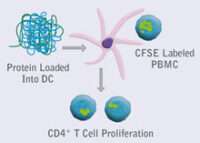
Jambari NN, et al. (2021). “Effect of O-linked glycosylation on the antigenicity, cellular uptake and trafficking in dendritic cells of recombinant Ber e 1.” PLoS One. 2021 Apr 29;16(4):e0249876. https://doi.org/10.1371/journal.pone.0249876
Grant E. Blouse., et al. (2019). “Title of Poster: A Comprehensive In Silico And In Vitro Immunogenicity Risk Assessment of Dalcinonacog Alfa Shows No Increased Risk Compared With Wild-type FIX.“.
Steven J, et al. (2017). “In Vitro Maturation of a Humanized Shark VNAR Domain to Improve Its Biophysical Properties to Facilitate Clinical Development. Front Immunol. 2017 Oct 23;8:1361. https://doi.org/10.3389/fimmu.2017.01361

ELISPOT Assay

Hinterberger, M., et al. (2023). “Preclinical development of a first-in-class vaccine encoding HER2, Brachyury and CD40L for antibody enhanced tumor eradication.” Sci Rep 13, 5162 (2023). https://doi.org/10.1038/s41598-023-32060-2
Simhadri, V.L., et al. (2021). “Cas9-derived peptides presented by MHC Class II that elicit proliferation of CD4+ T-cells.” Nat Commun 12, 5090 (2021). https://doi.org/10.1038/s41467-021-25414-9
Muraki Y., et al. (2021). “The evaluation of lymph node cell proliferation response by liposomes loaded with major histocompatibility complex class II binding aquaporin 4 antigen peptide.” Bioscience, Biotechnology, and Biochemistry, Volume 85, Issue 3, March 2021, Pages 537–544. https://doi.org/10.1093/bbb/zbaa084
Jankowski W, et al. (2019). “Peptides identified on monocyte-derived dendritic cells: a marker for clinical immunogenicity to FVIII products.” Blood Adv. 2019 May 14;3(9):1429-1440. https://doi.org/10.1182/bloodadvances.2018030452
Gouw JW, et al. (2018). “Identification of peptides with tolerogenic potential in a hydrolysed whey-based infant formula.” Clin Exp Allergy. 2018 Oct;48(10):1345-1353. https://doi.org/10.1111/cea.13223
Lamberth K., et al. (2017). “Post hoc assessment of the immunogenicity of bioengineered factor VIIa demonstrates the use of preclinical tools.” Sci Transl Med. 2017 Jan 11;9(372):eaag1286. https://doi.org/10.1126/scitranslmed.aag1286
Leone DA, et al. (2017). “Surface LAMP-2 Is an Endocytic Receptor That Diverts Antigen Internalized by Human Dendritic Cells into Highly Immunogenic Exosomes.” J Immunol. 2017 Jul 15;199(2):531-546. https://doi.org/10.4049/jimmunol.1601263
Geletneky K, et al. (2017). “Oncolytic H-1 Parvovirus Shows Safety and Signs of Immunogenic Activity in a First Phase I/IIa Glioblastoma Trial.” Mol Ther. 2017 Dec 6;25(12):2620-2634. https://doi.org/10.1016/j.ymthe.2017.08.016
Maraskovsky E., et al. (2016). “Profiling and Comparing the Immunogenicity of a Novel Single-Chain FVIII Molecule (rVIII-SingleChain) for the Treatment of Hemophilia a.” Blood 2016; 128 (22): 4960. https://doi.org/10.1182/blood.V128.22.4960.4960
Xue L, et al. (2016). “Contribution of enhanced engagement of antigen presentation machinery to the clinical immunogenicity of a human interleukin (IL)-21 receptor-blocking therapeutic antibody.” Clin Exp Immunol. 2016 Jan;183(1):102-13. https://doi.org/10.1111/cei.12711
Hock MB, et al. (2015). “Immunogenicity of antibody drug conjugates: bioanalytical methods and monitoring strategy for a novel therapeutic modality.” AAPS J. 2015 Jan;17(1):35-43. https://doi.org/10.1208/s12248-014-9684-6
Hui DJ, et al. (2015). “AAV capsid CD8+ T-cell epitopes are highly conserved across AAV serotypes.” Mol Ther Methods Clin Dev. 2015 Sep 30;2:15029. https://doi.org/10.1038/mtm.2015.29
Ventura C, et al. (2012). “HLA-DR and HLA-DP restricted epitopes from human cytomegalovirus glycoprotein B recognized by CD4+ T-cell clones from chronically infected individuals.” J Clin Immunol. 2012 Dec;32(6):1305-16. https://doi.org/10.1007/s10875-012-9732-x

ProMix™ Peptide Pools
ProImmune Peptides